 kitchenstroy.com
Eric KelleyThis article appeared in the Summer 2022 issue of This Old House Magazine. A kitchen garden is...
How to Steam Clean an Oven
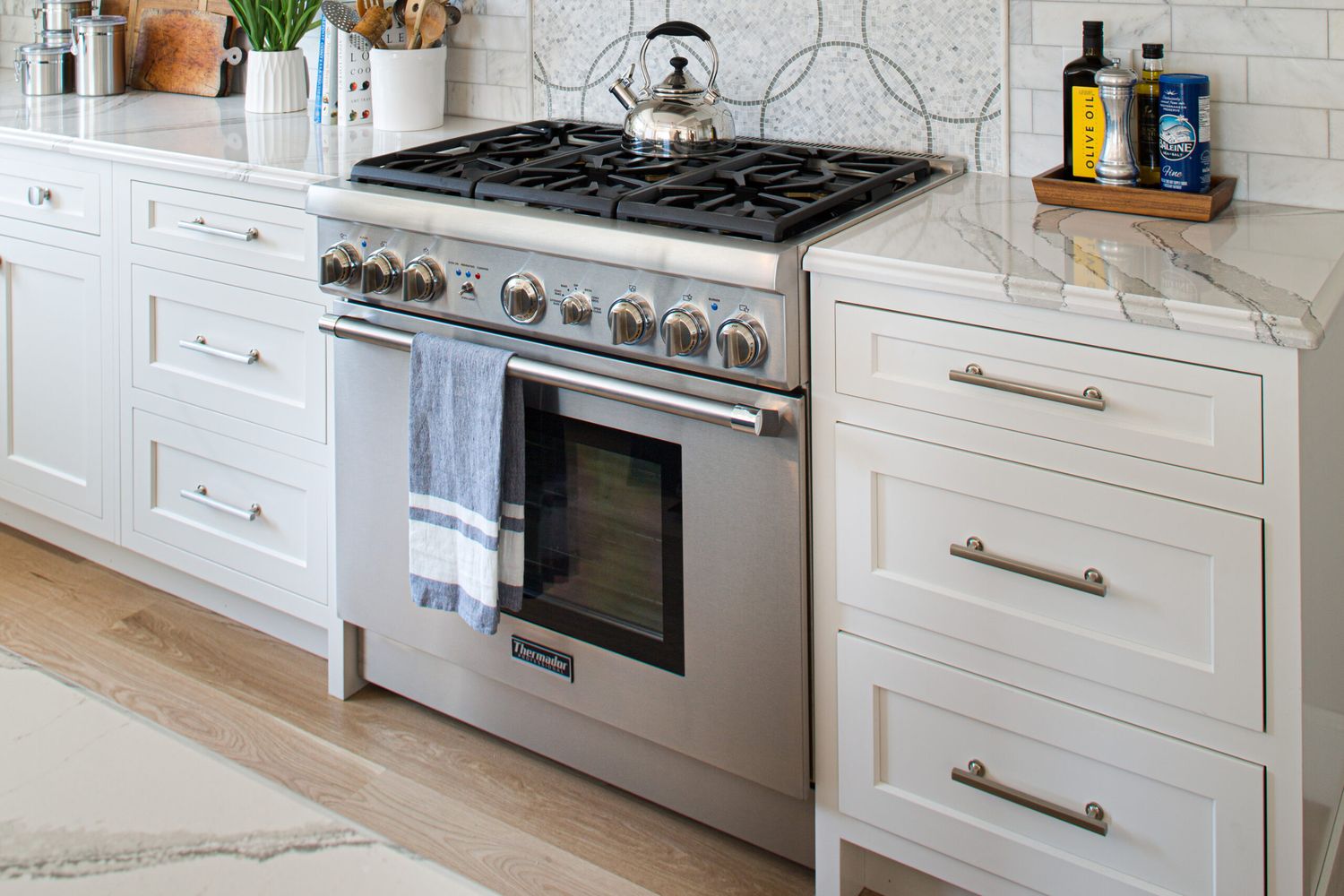
Cleaning the oven is no one’s favorite household chore, but it doesn’t have to be a burden. Steam cleaning offers a fast, easy, and non-toxic way to tackle this task. This method harnesses the power of water vapor to loosen grease and grime, making it easier to wipe away stubborn stains. Whether your oven has a built-in steam function or you’re using a handheld device, steam cleaning can be an effective way to maintain your appliance.
Things to Know About Steam Cleaning
Steam cleaning involves using hot water vapor to loosen and remove dirt, grease, and grime from surfaces. In the context of oven cleaning, steam penetrates baked-on food particles and grease, softening them for easy removal. This process is often quicker and less labor-intensive than traditional cleaning methods.
Steam cleaning offers several advantages over conventional oven cleaning methods, such as:
- Avoids harsh chemicals
- Less required scrubbing
- A faster cleaning process
- Safer for households with pets or children
Oven Steam Cleaning Methods
Modern ovens may have an automated steam-clean setting in addition to a self-cleaning function. Steam cleaning is generally intended for routine maintenance, with the self-cleaning mode (called pyrolytic cleaning, which uses very high heat to turn residue into ash) for tougher stuff. Each model will have its own steam-clean procedure, but the basics include:
- Remove cookware, racks, and accessories, then wipe up any loose debris and grease.
- Pour about a cup of tap water into a reservoir or directly onto the bottom of the oven.
- Close the door, select the steam-clean setting and press “start.” The cycle takes between 10 and 30 minutes, depending on the model; the time may elapse on the oven’s digital display and signal when done.
- When the cycle is finished and the oven has cooled, open the door and wipe up any remaining moisture with a dry cloth or sponge.
If your oven doesn’t have a steam cleaning feature, you can DIY the process.
If You Have a Handheld Steam Cleaner
Handheld steam cleaners are useful for cleaning and disinfecting everything from curtains and upholstery to hard surfaces such as countertops. If your oven has no steam-clean function but you have a steam cleaner, you can use the device on your oven’s glass, metal, and enamel, employing the brush or scraper attachment on grease and baked-on crud.
Just remember that steam is hot! Be careful when using the device inside the oven, especially if reaching in toward the back wall.
- Remove racks and cookware. Fill the steam cleaner with distilled water (tap water can leave mineral deposits in the tank) and put on the brush or scraper attachment.
- Select the appropriate heat and pressure setting for your unit and turn it on. Wave the cleaner with the attachment back and forth across the interior surfaces. No need to press hard; let the vapor do the work.
- Use a clean, dry sponge or towel to wipe off grime, grease, and condensation as you go.
If You Don’t Have a Steam Cleaner
No fancy steam-clean function or handy steam-cleaning device? You may still be able to harness steam power to clean your oven, especially if the grimy buildup isn’t too bad.
Even if you must ultimately resort to using a conventional product on stubborn stuff, steam cleaning first may enable you to speed through the nastier process. All it takes is a wide oven-safe pot or baking dish (a casserole dish is ideal), water, and distilled white vinegar.
To steam clean your oven:
- Remove the racks, clean them separately, and replace one in the center of the oven.
- Prepare a cleaning solution of about a cup of vinegar and enough water to fill a casserole dish. Set the vessel on the oven rack and close the door.
- Turn the oven on to 450 degrees Fahrenheit and leave it on for between 20 minutes to an hour, depending on how greasy and grimy the oven is.
- Remove the casserole dish and allow the oven to cool. Then use a damp sponge or rag to wipe surfaces clean. Try a scrubber pad and a sprinkle of baking soda on stubborn spots if necessary.
Tips for Maximizing Steam Cleaning Effectiveness
For particularly tough stains, you may need to repeat the steam cleaning process or use a combination of methods. After steam cleaning, you can also try applying a paste of baking soda and water to stubborn spots, letting it sit for 15 minutes before wiping clean.
Regular steam cleaning can help prevent heavy buildup. Aim to steam clean your oven every one to three months, depending on how often you use it. For heavy use, monthly cleaning may be necessary.
Safety Precautions When Steam Cleaning Ovens
While steam cleaning is generally safer than using harsh chemicals, it’s important to take precautions to avoid injury.
Steam can cause serious burns. Always wear oven mitts when handling hot dishes or wiping down the oven after steam cleaning. Allow the oven to cool completely before reaching inside.
Ensure your kitchen is well-ventilated during and after the steam cleaning process. Open windows or use exhaust fans to remove excess moisture and prevent mold growth.
Maintaining Your Oven After Steam Cleaning
Between deep cleaning sessions, regular maintenance can help keep your oven clean and in top condition so you can steam clean less frequently.
Implement a routine cleaning schedule to prevent heavy buildup. Using an oven cleaner, wipe down the oven interior after each use, once it has cooled. This simple habit can significantly reduce the need for deep cleaning.
Address spills immediately to prevent baked-on messes. Once the oven has cooled, wipe up any spills with a damp cloth. For sticky spills, a mixture of baking soda and water can help lift the residue without harsh scrubbing.
Comparing Steam Cleaning To Other Oven Cleaning Methods
Along with steam cleaning, there are several other ways to clean your oven, such as self-cleaning and using chemical cleaners.
Steam cleaning is generally quicker and uses lower temperatures than the self-cleaning function, making it a safer option for routine maintenance. However, self-cleaning may be more effective for heavily soiled ovens.
Unlike chemical cleaners, steam cleaning doesn’t introduce harsh substances into your oven. It’s a more eco-friendly option that’s safer for households with pets or children. However, chemical cleaners may be more effective for removing stubborn, baked-on grime.
Steam Clean Oven: Our Conclusion
Steam cleaning offers an effective, chemical-free method for maintaining a clean oven. Whether you’re using a built-in function, a handheld steamer, or a DIY solution, this technique can help keep your oven in top condition with minimal effort. Regular steam cleaning, combined with prompt attention to spills, can significantly reduce the need for more intensive cleaning methods.
Source: https://www.thisoldhouse.com/cleaning/22665048/steam-clean-oven
You may also like

